Emergency Dentist Near Me: What to Look For

A dental emergency has a way of shrinking the world down to a single problem. A cracked molar after dinner, a child who wakes up crying with a swollen cheek, a crown that comes off the morning of a work trip, a front tooth knocked loose on the basketball court. In those moments, most people search the same phrase: emergency dentist near me.
That search is easy. Choosing well under pressure is harder.
When pain is sharp or swelling is spreading, it is tempting to click the first result, drive to the nearest office, and hope for the best. Sometimes that works out fine. Sometimes it leads to long waits, unclear pricing, temporary treatment that does not hold, or an office that is not actually equipped for urgent care. A true dental emergency deserves more than a hasty guess.
If you know what to look for, you can make a much better choice quickly, even when you are stressed. The best emergency dental care is not only about getting seen fast. It is about being treated by a team that can sort serious from manageable, relieve pain safely, preserve the tooth when possible, and give you a realistic plan for what happens next.
Not every urgent dental problem is the same
One reason emergency dentistry feels confusing is that the word "emergency" covers a wide range of situations. Some problems are painful but can wait until the next business day. Others should be seen the same day. A smaller group needs hospital care first, especially when swelling affects breathing or swallowing.
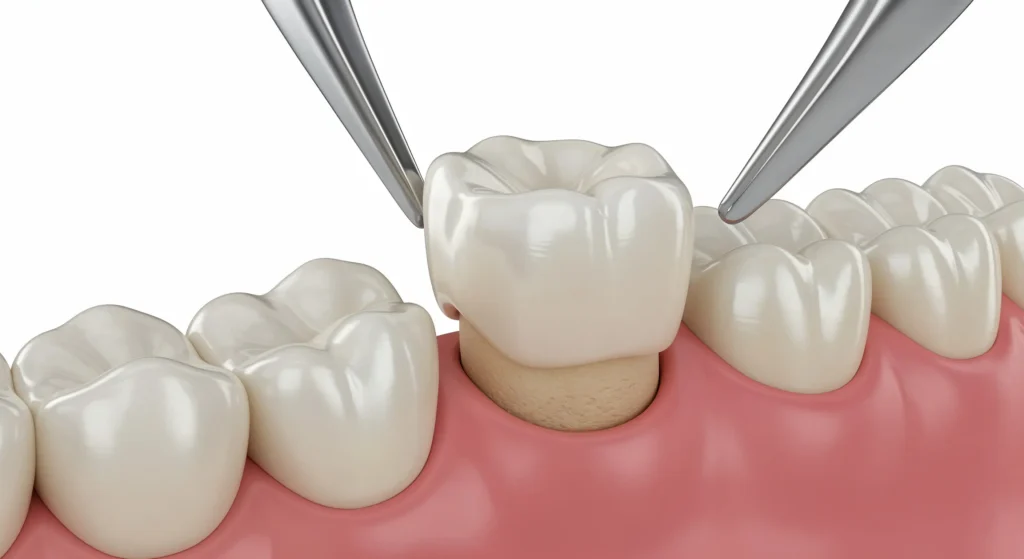
A severe toothache with lingering sensitivity to heat can indicate inflamed or infected pulp. A broken filling may be uncomfortable but sometimes manageable for a short time. A knocked out tooth, on the other hand, becomes a race against the clock. In many cases, the odds of saving it are best if treatment starts within about 30 to 60 minutes. That does not mean all is lost after an hour, but speed matters.
Facial swelling also needs respect. I have seen patients assume a swollen gum is "just a tooth issue" and try to wait it out through the weekend. If that swelling starts extending into the cheek, under the jaw, or causes fever, fatigue, or trouble opening the mouth, the urgency changes. Dental infections can spread. Good emergency offices recognize this immediately and tell you when the dental chair is appropriate and when the emergency room is the safer first stop.
The first thing to look for is real availability
Many offices advertise emergency appointments. Fewer truly offer them in a meaningful way.
Real emergency availability means the office can usually fit urgent cases into the same day, has someone answering calls promptly, and can tell you what to do before you arrive. It also means they are honest about hours. "Open late" on a website means very little if the front desk stops answering at 4:30 and the next available slot is three days away.
When you call, pay attention to how the conversation begins. A capable team usually asks a few direct questions right away: Where is the pain? How long has it been going on? Is there swelling? Was there trauma? Are you bleeding? Can you swallow normally? Have you had fever? Those questions are not filler. They help the office determine how urgently you need care and whether your situation belongs in a dental office, an urgent care clinic, or a hospital.
An office that treats emergency cases regularly tends to sound calm, specific, and organized. They can usually tell you whether they do same-day extractions, root canals, recement crowns, drain abscesses, or manage traumatic injuries. If the response is vague, or if you are repeatedly put on hold without practical guidance, that is a warning sign.
Distance matters, but capability matters more
There is a natural urge to choose the closest clinic. Sometimes proximity is exactly what you need, especially if pain is intense or a child is frightened. Still, the nearest office is not always the right office.
If you have a lost filling or a chipped tooth with no severe pain, convenience may be enough. If you have a front tooth broken at the gumline, a knocked out tooth, a suspected abscess, or severe swelling, capability becomes far more important than shaving ten minutes off the drive. A better-equipped office farther away may save you from needing multiple transfers, duplicate exams, or temporary treatment that buys only a few hours.
In urban areas, you may find several emergency dental https://zanderbayj477.rivetgarden.com/posts/emergency-dentist-care-for-accidents-involving-braces options within a short radius. In suburban or rural areas, choices can narrow quickly. That is where a phone call does a lot of work. Ask what procedures the dentist commonly handles that day, not just whether they "see emergencies." There is a big difference between offering an exam with pain medication advice and being able to complete definitive treatment.
A good emergency dentist does more than patch the problem
The strongest emergency visits balance two goals at once. The first is immediate relief, because uncontrolled pain is exhausting and often disruptive to eating, sleeping, and functioning. The second is preserving long-term health.
Take a cracked tooth. Some fractures can be bonded or protected with a temporary restoration until a crown is placed. Others reach the nerve and require root canal treatment. Some vertical root fractures cannot be saved and may need extraction. The right dentist explains which category your tooth appears to fall into, what signs support that judgment, and what uncertainties remain until imaging or further testing is done.
That kind of judgment matters because quick fixes can be deceptive. A patient may leave feeling better after a temporary sedative filling or a simple smoothing of a sharp edge, only to discover the problem was more extensive. Temporary care has value, especially when definitive treatment cannot happen immediately, but it should be presented honestly. You want an emergency dentist who understands the difference between stabilizing a situation and solving it.
Questions worth asking on the phone
If you are trying to choose fast, keep your screening practical. You do not need a perfect script. You need enough information to decide whether the office can handle your situation competently and transparently.
- Can you see me today, and about how long is the wait?
- Do you treat my specific issue, such as a knocked out tooth, abscess, broken crown, or severe toothache?
- Will I get an exam and X-rays first, and can treatment happen in the same visit if needed?
- What are your fees for an emergency exam, imaging, and common treatments, and do you accept my insurance or offer payment options?
- If my problem turns out to need a specialist or hospital care, how do you handle referral or coordination?
An experienced front desk team may not be able to quote an exact total, because the final treatment depends on the diagnosis, but they should be able to explain the typical range for the first visit and the most common next steps. Clarity counts here. People rarely feel upset by a reasonable fee when it has been explained up front. They do feel blindsided by vague estimates and surprise charges.
Watch for imaging, diagnostics, and clinical judgment
Emergency dentistry is not guesswork. Even when a diagnosis seems obvious, imaging and testing often determine the right treatment.
A serious office will usually perform appropriate X-rays, and in some cases additional imaging, before recommending major treatment. For example, pain that feels like "one bad tooth" can be referred from another tooth, the sinuses, or a cracked cusp that is hard to see. Swelling can originate from a deep periodontal pocket rather than the tooth nerve. A dentist who rushes into extracting the first painful tooth without solid diagnostics is not practicing careful medicine.
Clinical judgment also shows up in smaller details. If you have trauma to the mouth, a good emergency dentist checks soft tissues, bite changes, mobility, and damage to neighboring teeth, not just the most obvious broken one. If you arrive with facial swelling, they assess your airway risk, temperature, and whether the swelling is localized or spreading. If your jaw is injured, they look for signs of fracture or joint involvement.
These steps may not feel dramatic, but they are often what separates thoughtful emergency care from a quick patch.
Pain control should be taken seriously
Patients in dental emergencies are often scared they will not be able to tolerate treatment. That fear is understandable, especially if they are already in severe pain or have had difficult dental experiences before.
A competent emergency dentist talks clearly about pain control. That includes local anesthesia, possible sedation options when appropriate, and realistic expectations about what will hurt, what will not, and what soreness may follow once the anesthetic wears off. Good clinicians do not dismiss pain or make promises that sound too neat. They explain how they will get you numb, what happens if inflamed tissue makes anesthesia harder to achieve, and how they adapt.
This matters for children, anxious adults, and anyone with a history of dental trauma. The quality of the communication can lower anxiety almost as much as the medication itself. People cope better when they know what is happening and feel they are being listened to.
Cost transparency is part of quality care
Emergency visits often happen outside planned budgets. That reality does not make cost the only factor, but it does make transparency essential.
Some offices charge a flat emergency exam fee, then separate fees for X-rays and treatment. Others bundle certain services. Some can estimate common procedures fairly well, while others can only give broad ranges until the exam is complete. None of that is inherently a problem. The problem is when pricing is hidden, evasive, or changed without explanation.
If you have insurance, ask whether the office is in network, whether they can check benefits before treatment, and what portion you might still owe. If you do not have insurance, ask about payment plans or third-party financing before you are in the chair. A professional office will not act offended by these questions. They hear them every day.
It is also wise to ask whether the office aims to provide definitive treatment that day or only stabilization. A lower first-visit fee can look attractive until it becomes clear you are paying for a temporary measure and will still need a second full appointment elsewhere.
Signs that an office is prepared for real emergencies
Certain patterns show up again and again in good urgent-care dental settings. The office may not feel luxurious or flashy. That is not the point. What you want is competence, responsiveness, and systems that work under pressure.
A prepared emergency practice usually has room in the schedule for urgent patients, a staff that can triage by phone, imaging available on site, and a dentist comfortable making decisions quickly. They also communicate aftercare clearly. If you leave with antibiotics, you should know why you need them, how to take them, what they will and will not fix, and what warning signs mean you should call back or go to the hospital.
I have also found that strong emergency offices are direct about limitations. If they do not perform molar root canals, if they refer complex oral surgery, or if a case is beyond what can safely be treated in general practice, they say so promptly. Honesty is reassuring. Overpromising is not.
Red flags that should make you pause
Even under stress, a few warning signs are worth noticing.
- The office cannot tell you whether treatment beyond an exam is possible that day.
- Staff minimize swelling, trauma, fever, or uncontrolled bleeding without asking follow-up questions.
- Pricing is vague to the point of being evasive, especially for the emergency exam and basic imaging.
- You are pushed toward extraction or major treatment before appropriate imaging and evaluation.
- There is no clear plan for after-hours problems, referrals, or what to do if symptoms worsen.
None of these signs guarantees poor care, but taken together they suggest a practice that may not be set up well for urgent dental work.
Reviews help, but they need interpretation
When people search for an emergency dentist, they often rely heavily on online reviews. Reviews can help, but they should be read with context.
Look for comments that mention timeliness, pain relief, clear explanations, billing transparency, and whether the office handled urgent cases efficiently. A review saying "beautiful office" tells you very little. A review saying "they got me in within two hours for a cracked tooth, took X-rays immediately, explained my options, and completed the root canal the same day" tells you much more.
Do not panic over one angry review about waiting. Emergency schedules are unpredictable by nature. If a practice squeezes in urgent patients, delays sometimes happen. What matters is the overall pattern. Repeated complaints about surprise charges, poor communication, rough treatment, or lack of follow-up deserve attention.
Special situations that change what you should look for
Children need a different approach from adults. If the emergency involves a young child, it helps to find an office comfortable with pediatric behavior management, primary teeth, and sports injuries. A loose baby tooth after a fall is handled differently from a loose permanent tooth. That distinction matters.
Older adults may have additional considerations such as blood thinners, dentures, implants, dry mouth, or extensive dental work. A broken bridge in an older patient with multiple crowns is not a simple one-size-fits-all repair.
Patients with medical conditions should mention them early. Diabetes, immune suppression, recent joint replacement, bisphosphonate use, heart conditions, pregnancy, and medication allergies can all influence emergency dental decisions. A good office asks. A better patient volunteers the information right away.
Trauma is its own category. If the injury includes loss of consciousness, suspected jaw fracture, deep facial cuts, or difficulty breathing, dental care may not be the first stop. The best emergency dentists do not blur that line.
What to do before you get there
The time between the phone call and the appointment matters more than many people realize. If a tooth has been knocked out, handle it only by the crown, not the root. If it is dirty, rinse gently with milk or saline if available, and follow the dentist’s instructions about storage. If bleeding is present, steady pressure with gauze usually helps. If swelling is building, a cold compress on the outside of the face can reduce discomfort.
For a broken tooth, save any fragments if you can. For a lost crown, bring the crown with you. For tooth pain, avoid placing aspirin directly on the gum, which can irritate tissue. If you take pain medication, use it as directed and tell the office exactly what you took and when.
These details sound small, but they can improve comfort and sometimes preserve treatment options.
The best choice is the office that combines speed, honesty, and capability
When people search for an Emergency Dentist, they are usually hoping for one thing: relief now. That is valid. Still, the best emergency dental visit does more than stop today’s pain. It protects tomorrow’s tooth, tomorrow’s bite, and tomorrow’s budget.
A strong emergency dentist sees you quickly, asks the right questions, uses proper diagnostics, explains choices plainly, and treats what can be treated safely that day. If the right answer is referral, they make that path clear instead of improvising. If the right answer is temporary stabilization, they tell you exactly why and what comes next.
That combination, speed, honesty, and clinical skill, is what you should be looking for when you type "emergency dentist near me." Not the flashiest website. Not the nearest parking lot. Not the first ad at the top of the page. The office that can sort urgency from panic, act decisively, and leave you better than they found you.
When your mouth hurts, judgment gets harder. Knowing these signs in advance makes it easier to choose well when you need help fast.
Simple Dental South Gate
Address: 8617 California Ave, South Gate, CA 90280
Phone number: +13236896118
FAQ About Emergency Dentist Southgate CA
What can the ER do for a tooth?
The emergency room can provide temporary symptom relief for a bad tooth, such as prescribing pain medicine or antibiotics, but it cannot fix the actual dental problem.
What is the 3-3-3 rule for tooth infection?
The 3-3-3 rule for a toothache or infection typically means taking three 200 mg ibuprofen tablets (600 mg total) three times a day for no more than three days to control pain and swelling while waiting to see a dentist.
What do you do if you have a dental emergency but no dentist?
If you have a dental emergency and no regular dentist, you should search for an urgent care dental clinic, call local walk-in dental offices, or go to a hospital emergency room if you have severe bleeding, swelling, or trouble breathing.