Invisalign and Sports: What Athletes Should Know
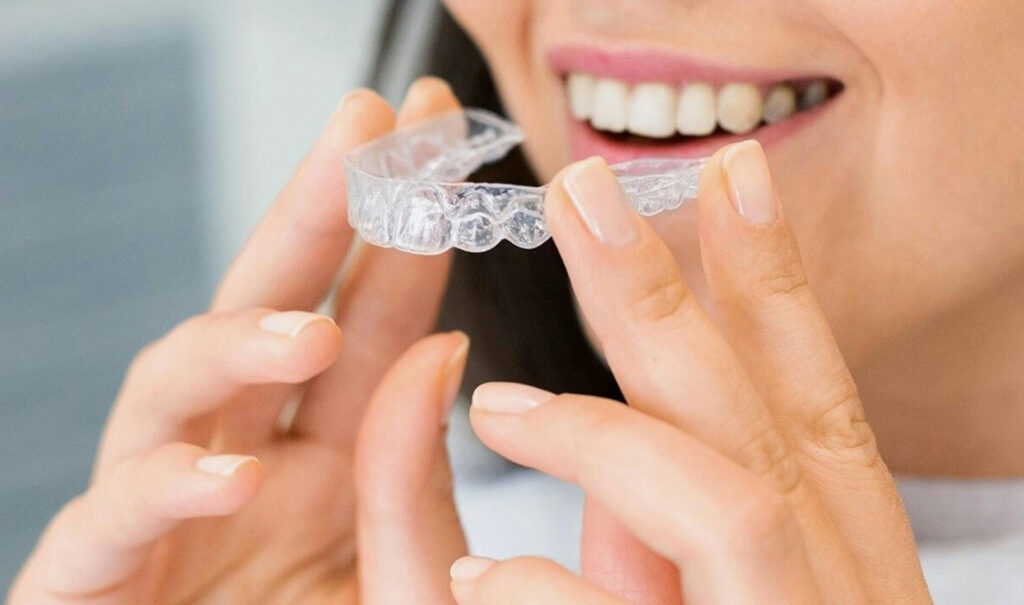
Athletes tend to think about performance in practical terms. If something affects breathing, hydration, concentration, sleep, recovery, or the risk of injury, it matters. Orthodontic treatment belongs on that list. Invisalign can be a strong option for active people, but sports change the day-to-day reality of wearing aligners in ways many patients do not anticipate at the first consultation.
The headline is simple enough. Yes, athletes can wear Invisalign successfully. Plenty do. The more useful conversation is about friction points: contact during practice, mouthguard compatibility, long training sessions, travel weekends, locker room hygiene, and the occasional moment when your carefully planned wear time gets disrupted by real life. That is where treatment tends to go smoothly or start slipping off schedule.
For athletes, especially teenagers and adults with demanding training calendars, the decision is rarely just about appearance. It is about whether the treatment fits the rhythm of the sport. Invisalign asks for consistency. Sports often introduce chaos. The trick is knowing where those two realities collide and how to manage it without compromising safety or progress.
Why athletes are drawn to Invisalign in the first place
Traditional braces are still an excellent treatment option for many cases, and in some situations they remain the best choice. But athletes often lean toward Invisalign for reasons that are easy to understand once you have seen enough sideline injuries and enough post-practice orthodontic appointments.
A removable aligner has no brackets or wires to catch on the inside of the lips and cheeks during impact. That alone matters in basketball, soccer, lacrosse, football, hockey, wrestling, and martial arts, where a stray elbow or a collision can turn a small orthodontic issue into a painful soft tissue injury. Anyone who has seen a split lip pressed into brackets knows how ugly that can get.
Comfort also plays a role. Many athletes tolerate the pressure of aligner changes better than the irritation that can come with broken wires or poking hardware. There is also the convenience factor. For school athletes balancing classes, training, and travel, fewer emergency visits are appealing. Adults who train seriously often appreciate that Invisalign is discreet enough to wear through work meetings, coaching sessions, and public-facing jobs.
Then there is nutrition. Athletes who graze throughout the day or need strategic fueling around workouts sometimes assume removable aligners will make life easier. That is only partly true. You can take Invisalign out to eat, which is helpful. But because aligners need to be worn roughly 20 to 22 hours a day in most cases, constant snacking becomes harder, not easier. That trade-off deserves honest attention.
The first question: can you play sports while wearing Invisalign?
In non-contact activities, often yes. Distance runners, cyclists, golfers, swimmers during dryland periods, rowers, tennis players, and many gym-based athletes commonly train with aligners in place if it feels comfortable. Some people prefer the snug sensation because it becomes part of the routine after a week or two.
In contact and collision sports, the answer becomes more nuanced. Safety comes first, and that usually means thinking about a properly fitted mouthguard rather than the aligners themselves. A standard sports https://edwinsblq971.almoheet-travel.com/how-invisalign-can-be-part-of-a-complete-cosmetic-dentistry-plan mouthguard is designed to protect the teeth, gums, lips, and jaw from impact. Invisalign aligners are not protective devices. They are thin plastic trays engineered to move teeth, not absorb force.
That distinction matters. An athlete who treats aligners like a substitute for a mouthguard is taking an unnecessary risk.
In many practical situations, the right move is to remove the aligners during play and wear a sports mouthguard instead. After the session, the athlete brushes if possible, rinses the aligners, and puts them back in. That sounds simple when written out, but the details matter. A two-hour practice does not usually derail treatment. Repeatedly leaving aligners out for long stretches, especially with warm-up, practice, cooldown, and post-practice social time all blended together, absolutely can.
The mouthguard issue is where most confusion starts
Mouthguards are not one-size-fits-all, and neither are orthodontic cases. A boil-and-bite guard bought the night before a tournament is not the same thing as a dentist-fabricated custom sports guard. For athletes in higher-risk sports, the quality of the mouthguard can make a major difference in fit, comfort, speech, and willingness to wear it consistently.
When a patient is in Invisalign treatment, there are usually three broad questions to sort out. First, should the aligners stay in during sports activity? Second, what kind of mouthguard will be worn? Third, how will the athlete maintain enough daily wear time to keep treatment moving?
Some athletes try to wear a mouthguard over the aligners. Sometimes that works, sometimes it does not. The problem is not just comfort. Layering appliances can affect fit and retention, especially if the guard is not designed with that specific setup in mind. For some patients, a custom mouthguard can be made to accommodate the orthodontic situation more sensibly. That is a discussion for the treating orthodontist or dentist, not a guess to make in a sporting goods aisle.
I have seen athletes take three very different approaches. One high school point guard removed his aligners only for games and wore them throughout lighter practice sessions because he was comfortable doing so. A rugby player removed them for every team contact session and built a disciplined post-practice routine so his daily wear time stayed on target. A recreational boxer learned quickly that any vague, improvised system falls apart once sweat, fatigue, and rushed schedules enter the picture, so she kept a backup aligner case and travel hygiene kit in every gym bag she owned. The treatment plans were different, but the common thread was structure.
Contact sports require a more conservative mindset
If your sport includes routine contact, the default assumption should be caution. Football, hockey, boxing, martial arts, wrestling, rugby, and lacrosse all bring enough force and unpredictability that aligners become a secondary concern to injury prevention. In those settings, mouthguard use is not optional in any meaningful sense.
Removing the aligners before activity is often the safer and more practical choice. The athlete should store them in a hard case, never wrapped in a napkin or tucked into a pocket. It is astonishing how many aligners are lost in locker rooms, team buses, and restaurant trays after games. The classic story is always the same. Someone takes them out for a pregame meal, wraps them in tissue, and they disappear with the trash.
The risk is not just inconvenience. Losing an aligner late in the wear cycle may be manageable. Losing a fresh tray after only a day or two can complicate tracking, fit, and timing. Depending on the stage of treatment, the orthodontist may advise moving back to the previous tray, moving ahead if fit permits, or ordering a replacement. None of those options is as clean as simply not losing the aligner.
Athletes in contact sports also need to remember that treatment plans are not static. Teeth move. Fit changes. A mouthguard that felt acceptable two months ago may no longer fit properly. That is another reason follow-up matters. If the guard is custom-made, it may need periodic reassessment.
Hydration, fueling, and the 22-hour reality
This is one of the least glamorous parts of Invisalign, but for athletes it becomes central very quickly. Aligners work best with consistent wear. Sports culture, on the other hand, often revolves around sips of sports drink, gels, protein shakes, post-lift snacks, and grazing between classes or meetings.
The standard advice is to drink plain water with aligners in and remove them for anything else. That can be annoying for anyone, but athletes feel it more sharply because they often consume calories in shorter windows and more frequently than the average patient. Sip sugary sports drink for an hour with aligners in, and you create a better environment for plaque buildup and decalcification. Take the aligners out every twenty minutes during a long session and you chip away at the wear time that treatment depends on.
There is no perfect universal formula, but there is a workable mindset. Be more intentional. If a training block is under an hour and water is enough, great, keep the aligners in if your orthodontist agrees and comfort allows. If you need carbohydrate intake during or around the session, plan the removal periods rather than improvising all day. The athlete who fuels with purpose does better than the athlete who mindlessly nibbles from morning to night.
One pattern that works well for many people is consolidating meals and snacks instead of stretching them into an all-day event. That can feel restrictive at first, but athletes who adjust often find they become more disciplined about nutrition as a side effect. The catch is that high school athletes, especially those with heavy practice loads, need enough total energy intake. Treatment should not become a reason to underfuel.
Breathing, speech, and getting used to the trays
Most athletes adapt to Invisalign quickly, but the early period can be annoying. There may be a slight lisp, excess saliva, or a general sense that something is sitting between you and normal speech. For athletes who communicate constantly, point guards calling sets, catchers framing signals, coaches running drills, these little disruptions are more noticeable than people expect.
The good news is that adaptation usually happens fast. Reading aloud for a few minutes a day helps. So does wearing the trays consistently rather than taking them out every time they feel strange. If an athlete is preparing for a public event, a leadership role, or a season where communication is central, it may be smart to start treatment during a lighter training period rather than the week before competition begins.
Breathing complaints are less common, but some athletes simply hate the feeling of anything in the mouth during intense intervals. They may feel fine during easy training and uncomfortable when effort spikes. That does not automatically mean Invisalign is a poor choice. It means the wear strategy around workouts may need adjustment.
Hygiene gets harder when your life lives in a gym bag
Orthodontic hygiene is easy in a calm bathroom with good lighting, a sink, and five spare minutes. It is less easy in a cramped locker room after a double session when everyone is trying to shower, refill bottles, and leave. Still, this is where athletes either stay on top of treatment or start collecting preventable problems.
Aligners trap what is on the teeth. If an athlete downs a shake, leaves the aligners out for an hour, then snaps them back onto unbrushed teeth, that is not ideal. Is it catastrophic once? No. Repeated over months, it becomes a problem. The same goes for tossing aligners into a bag without a case, rinsing them only occasionally, or cleaning them with hot water that warps the plastic.
A small routine solves most of this. Keep a toothbrush, travel toothpaste, floss picks, and the aligner case with the training gear, not at home on the bathroom counter where it cannot help you. Athletes who travel for tournaments should carry duplicates. It is the same logic used for tape, blister care, or backup socks. If a tool matters, it needs to be where the action is.
Here are the essentials worth keeping with your sports gear:
- a hard aligner case
- a travel toothbrush and toothpaste
- floss picks or interdental cleaners
- a small bottle for rinsing if a sink is not nearby
- a backup case in a second bag or car
That list is boring, but it prevents a surprising amount of treatment drama.
What happens if training regularly cuts into wear time?
This is the issue that separates successful athletic Invisalign cases from frustrating ones. The occasional two-hour practice without aligners is not usually the problem. The problem is cumulative slippage. Remove them for breakfast, leave them out while commuting, take them out again for practice, keep them out after practice while snacking, forget to put them back in until bedtime, and suddenly a patient who thinks they are compliant is nowhere near target.
When that happens, the teeth often tell the story before the patient does. New trays feel unusually tight. Attachments stop tracking cleanly. Gaps appear between the teeth and the aligner. The patient says, “This tray just never seated right,” and when you look closely, the issue is not the tray. It is inconsistent wear.
Athletes are often coachable once the pattern is made visible. They respond well to timing systems, phone reminders, and objective habits. Some orthodontists recommend extending the number of days in each tray if wear time has been lower than ideal. That can work, depending on the specifics, but it is not a free pass. The better solution is usually to tighten the routine.
If a season is especially intense, with long days, travel, and multiple weekly games, it may be worth discussing timing with the treating doctor before treatment begins. Some patients do better starting Invisalign in an offseason or during a lighter block of the year. Others are fine beginning immediately because they have the maturity and structure to manage it. This is less about toughness than about logistics.
Travel, tournaments, and the problem of disrupted routines
Travel amplifies every weak spot in an Invisalign routine. Flights dry the mouth out. Team meals run long. Schedules slip. Athletes fall asleep on buses. Hotel sinks are crowded, and nobody wants to be the person brushing in a dim hallway bathroom at midnight after a loss. Unfortunately, teeth do not care how chaotic the weekend felt.
A tournament mindset helps. Before leaving, pack the current tray, the previous tray, cleaning supplies, and the orthodontist’s contact information if you are far from home. Carry the aligners in a personal bag, not checked luggage. If a tray cracks or goes missing, having the prior aligner can be very useful while you get professional advice.
One college athlete I know kept the current tray in use a couple of extra days after every travel weekend, not because that was her official plan, but because she and her orthodontist had agreed that her wear time dipped slightly during away trips. That kind of tailored adjustment is sensible. Guessing on your own is less so.
Pain, soreness, and performance
Most Invisalign discomfort is mild and temporary, usually strongest in the first day or two after switching trays. Athletes often ask whether that soreness affects performance. Usually it does not in any major way, but the timing of tray changes can make a noticeable difference in comfort.
Switching to a new tray the night before a major game is not my favorite move for someone who knows they tend to feel pressure or tenderness. Changing trays in the evening before a lighter training day often works better. Sleep gets you through part of the adjustment window, and you are less likely to associate game-day stress with a fresh, tight aligner.
Jaw soreness is another variable. Some athletes clench, especially under effort or stress. Add aligners to that pattern and awareness increases. It is not always harmful, but it is worth mentioning if symptoms become persistent.
When Invisalign may not be the best fit for an athlete
Not every athlete is an ideal Invisalign candidate, and it is better to say that plainly than to pretend the system suits everyone equally. Some cases are too complex for aligners alone or are more predictably handled with braces. Some athletes are in such frequent contact situations, or have such irregular routines, that consistent wear is unlikely. Others simply do not want the daily responsibility.
That is not failure. It is fit. A wrestler who trains twice a day, cuts weight, travels every weekend, and has a long history of losing mouthguards may be better served by a different orthodontic plan. A marathoner with a highly structured routine and almost no contact risk may find Invisalign exceptionally easy. Most people land somewhere in between.
The best orthodontic choice is the one that can be executed well, not the one that sounds nicest at the consult.
Smart questions to ask before starting treatment
A short conversation upfront can prevent months of friction later. Athletes and parents should ask specific questions tied to the sport, not just the smile outcome. These are the topics that matter most:
- should aligners stay in during my specific sport or training sessions
- what type of mouthguard do you recommend during treatment
- how should I handle long practices, games, and tournament travel
- what should I do if I lose or crack a tray mid-season
- if my wear time drops during season, how will we adjust
Those questions tend to produce far more useful guidance than a generic “Can I still play sports?”
The practical bottom line
Invisalign and sports can coexist very well, but only if the athlete treats the aligners like performance equipment rather than a cosmetic accessory. That means respecting wear time, planning for mouthguard use, staying disciplined about hygiene, and building routines that survive real training life.
The athletes who do best are not necessarily the most meticulous personalities. They are the ones who understand that a small system beats good intentions. A case in the bag. A brush on hand. A plan for fueling. A clear answer about contact sessions. A habit of putting the trays back in before fatigue takes over.
If you play a sport and are considering Invisalign, the right next step is not to ask whether athletes can do it. They can. The better question is whether your particular sport, schedule, and habits can support it safely and consistently. When the answer is yes, treatment tends to be smooth. When the answer is maybe, a thoughtful plan matters more than optimism.
Omni Dental Specialty
Address: 1690 E Gonzales Rd, Oxnard, CA 93036
Phone number: +18053666000
FAQ About Invisalign
How much does Invisalign actually cost?
The out-of-pocket cost for Invisalign typically ranges between $3,000 and $8,000, with most patients paying a national average of roughly $5,100 to $5,700 before insurance.
What is the downside to Invisalign?
The biggest downsides to Invisalign are the intense discipline required to wear the trays 22 hours a day, the inconvenience of removing them to eat or drink, and the inability to fix severe, complex orthodontic issues.
Is $5000 a lot for Invisalign?
No, $5,000 is not considered a lot for Invisalign; it is exactly the national average. Treatment costs typically fall between $3,000 and $8,000, and $5,000 is the standard fee for a moderately complex case that takes 6 to 18 months to complete.